
Summer in Columbia, SC, brings long days, high temperatures, heavy rain, and the occasional severe storm. While these conditions encourage rapid tree growth, they also create challenges that can weaken even healthy trees. Heat stress, drought, pests, and strong winds often work together, increasing the risk of broken limbs, declining health, and unexpected property damage.
Fortunately, a little seasonal attention goes a long way. Following practical tree care tips throughout the summer helps your trees stay healthy, improves curb appeal, and reduces the chance of costly emergencies later in the year. Whether you have towering pines, mature oaks, flowering trees, or young landscape additions, proactive care protects your investment and keeps your property safe.
Here are ten simple yet effective ways to care for your trees this summer, brought to you by the team at Prime Tree Experts:
1. Water Trees Deeply During Hot Summer Weather
One of the biggest mistakes homeowners make is watering too often without allowing moisture to reach the roots. Shallow watering encourages weak root systems that struggle during extreme heat.
Instead, water slowly and deeply once or twice each week, depending on rainfall. Mature trees need moisture to penetrate several inches into the soil, while younger trees require more consistent watering as their roots continue developing.
Early morning provides the best time to water because lower temperatures reduce evaporation and allow the soil to absorb moisture efficiently. If Columbia experiences several days of intense heat without rain, increase watering accordingly.
2. Refresh Mulch to Protect Tree Roots
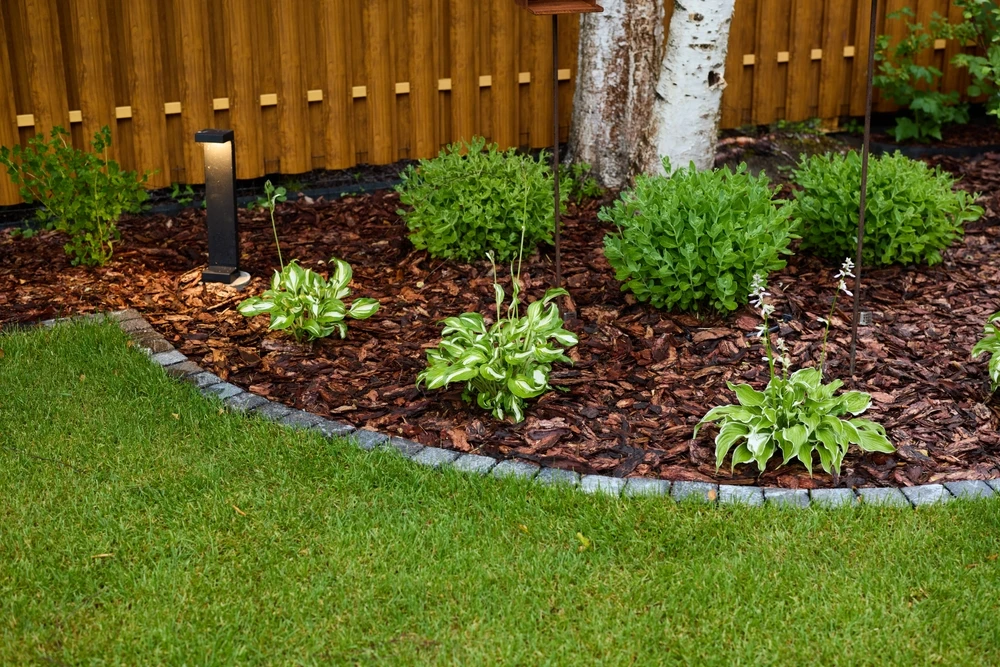
Mulch acts as natural insulation during South Carolina’s hottest months. It helps the soil retain moisture, keeps root temperatures stable, and slows weed growth that competes for nutrients.
Spread two to four inches of organic mulch around the base of your tree, extending it toward the drip line whenever possible. Keep the mulch several inches away from the trunk to prevent moisture buildup and decay.
Fresh mulch also improves soil quality as it gradually breaks down, giving your trees additional nutrients throughout the growing season.
3. Learn to Recognize Signs of Heat Stress
Summer heat affects trees differently than lawns or flowers. Many homeowners don’t realize a tree is struggling until significant damage has already occurred.
Watch for warning signs such as:
- Leaves curling or wilting
- Brown or scorched leaf edges
- Early leaf drop
- Smaller-than-normal foliage
- Branches beginning to die back
These symptoms often indicate that your tree lacks sufficient water or faces environmental stress. Addressing problems early improves the chances of recovery and helps prevent permanent damage.
4. Inspect Trees After Every Summer Storm
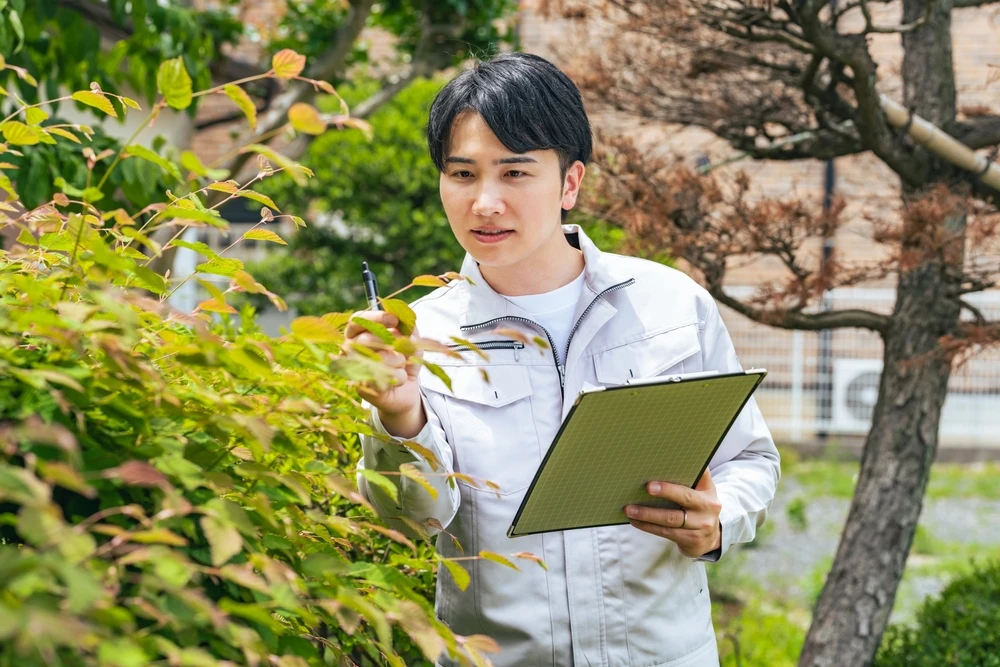
Thunderstorms frequently move through Columbia during the summer, bringing heavy rain, strong winds, and lightning. Even when a tree appears healthy afterward, hidden structural damage may exist.
After every major storm, inspect your trees for:
- Hanging or cracked limbs
- Fresh trunk splits
- Leaning trees
- Broken branches resting in the canopy
- Exposed or lifted roots
Never ignore these warning signs. Small issues often become larger hazards during the next storm. If you notice significant damage, schedule a professional inspection before the tree becomes unsafe.
5. Watch for Common Summer Pests and Diseases
Warm weather creates ideal conditions for insects and fungal diseases. Left untreated, these problems can weaken trees and make them more vulnerable to storm damage.
Keep an eye out for:
- Holes in leaves
- Yellowing foliage
- Unusual spots or discoloration
- Sawdust near the trunk
- Bark damage
- Mushrooms growing near the base
Healthy trees naturally resist many pests, but stressed trees often become easy targets. Regular inspections allow you to catch problems before they spread throughout the canopy.
6. Avoid Heavy Pruning During Peak Summer Heat
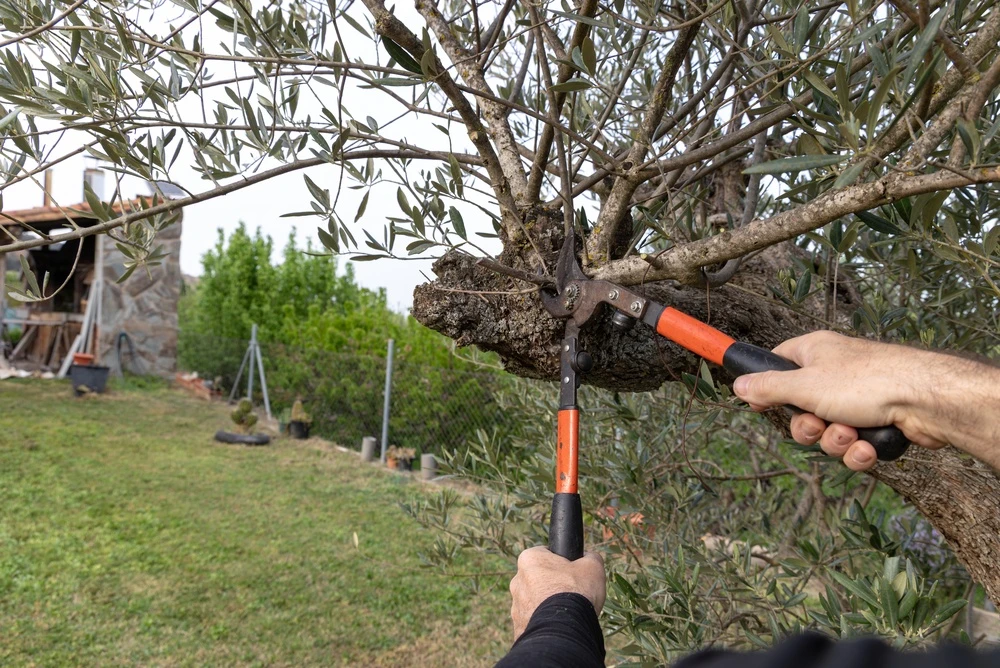
While removing dead or broken branches remains important year-round, extensive pruning during the hottest weeks of summer can create unnecessary stress.
Large pruning cuts expose trees to additional heat and may reduce their ability to produce energy through healthy foliage. Instead, limit summer pruning to removing hazardous limbs, damaged branches, or obvious deadwood.
For major structural pruning or canopy shaping, consult a tree care professional to determine the safest timing based on your tree species and overall condition.
7. Prepare Trees Before Hurricane Season
Although Columbia sits inland, tropical systems and hurricanes often bring damaging winds across the Midlands. Preparing your trees before severe weather arrives greatly reduces the chance of fallen limbs and property damage.
Preventive maintenance includes:
- Removing weak or dead branches
- Eliminating limbs that hang over roofs
- Checking for structural defects
- Trimming branches growing too close to power lines
- Monitoring trees with previous storm damage
Healthy, well-maintained trees withstand high winds far better than neglected ones.
8. Know When Tree Damage Requires Immediate Attention
Some tree problems cannot wait. Delaying professional assistance may place your family, home, or neighbors at risk.
Contact a tree expert immediately if you notice:
- A tree leaning suddenly
- Large branches hanging overhead
- Deep trunk cracks
- Trees touching utility lines
- Roots lifting from the ground
- Storm-damaged trees threatening structures
Quick action helps prevent accidents while limiting additional damage to your property.
9. Leave Dangerous Tree Work to Professionals
Many homeowners enjoy weekend landscaping projects, but tree work requires specialized equipment, training, and experience. Climbing trees, operating chainsaws, and removing large limbs create serious safety risks.
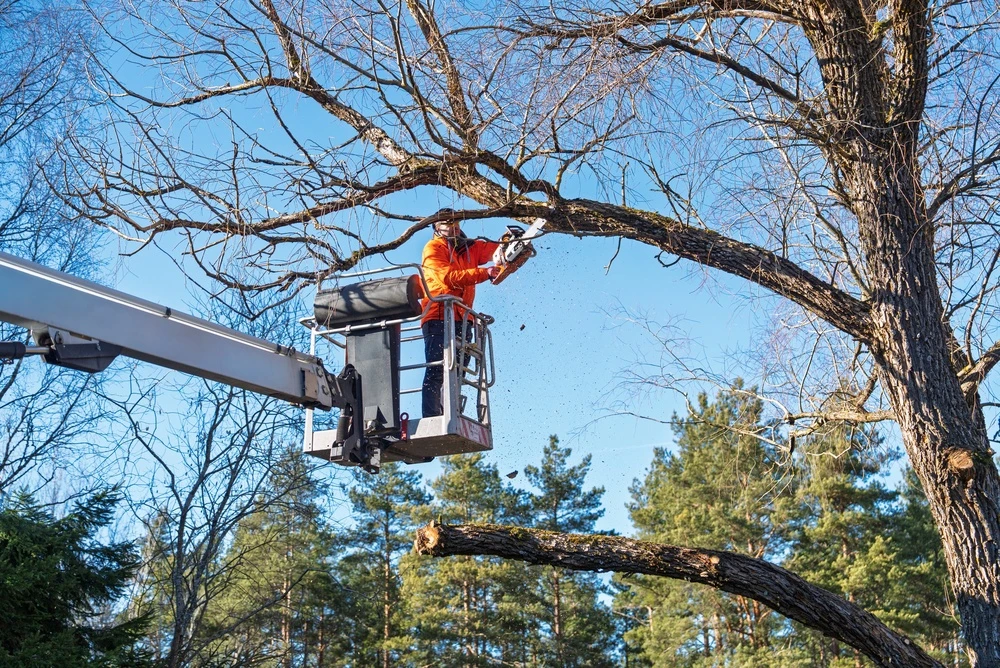
Professional crews understand how to evaluate tree stability, control falling branches, and protect surrounding structures. They also use specialized equipment such as bucket trucks, cranes, and advanced rigging systems to complete difficult jobs safely.
Attempting dangerous tree work without proper knowledge often leads to injuries or expensive property damage. When a project involves large branches, tall trees, or storm damage, hiring professionals remains the safest decision.
10. Schedule a Professional Tree Health Assessment
Even attentive homeowners cannot always identify hidden structural issues or early signs of disease. A professional tree health assessment provides valuable insight into your landscape before small concerns become expensive repairs.
During an evaluation, trained specialists examine:
- Overall tree health
- Structural stability
- Root conditions
- Disease symptoms
- Pest activity
- Storm vulnerability
- Recommended maintenance
Regular assessments help extend the lifespan of your trees while reducing the risk of unexpected emergencies throughout the year.
Trust Prime Tree Experts for Reliable Summer Tree Care!
Healthy trees don’t happen by accident. They’re the result of steady attention and a few smart habits carried through the season. Deep watering, fresh mulch, quick storm checks, and an eye out for early stress all add up to trees that hold up better against Columbia’s heat, pests, and summer storms.
Just as important is knowing where the DIY line falls. Large trees, storm damage, structural cracks, or signs of disease call for a trained eye before a small problem turns into a costly or dangerous one. That’s where a professional makes the difference, spotting hidden risks and handling the work that isn’t safe to tackle alone.
You don’t have to guess whether your trees are ready for the season. The team at Prime Tree Experts is here to help Columbia homeowners keep their landscapes strong, safe, and beautiful all summer long. Reach out today to schedule an inspection or professional tree health assessment, and give your property one less thing to worry about when the next storm rolls in!